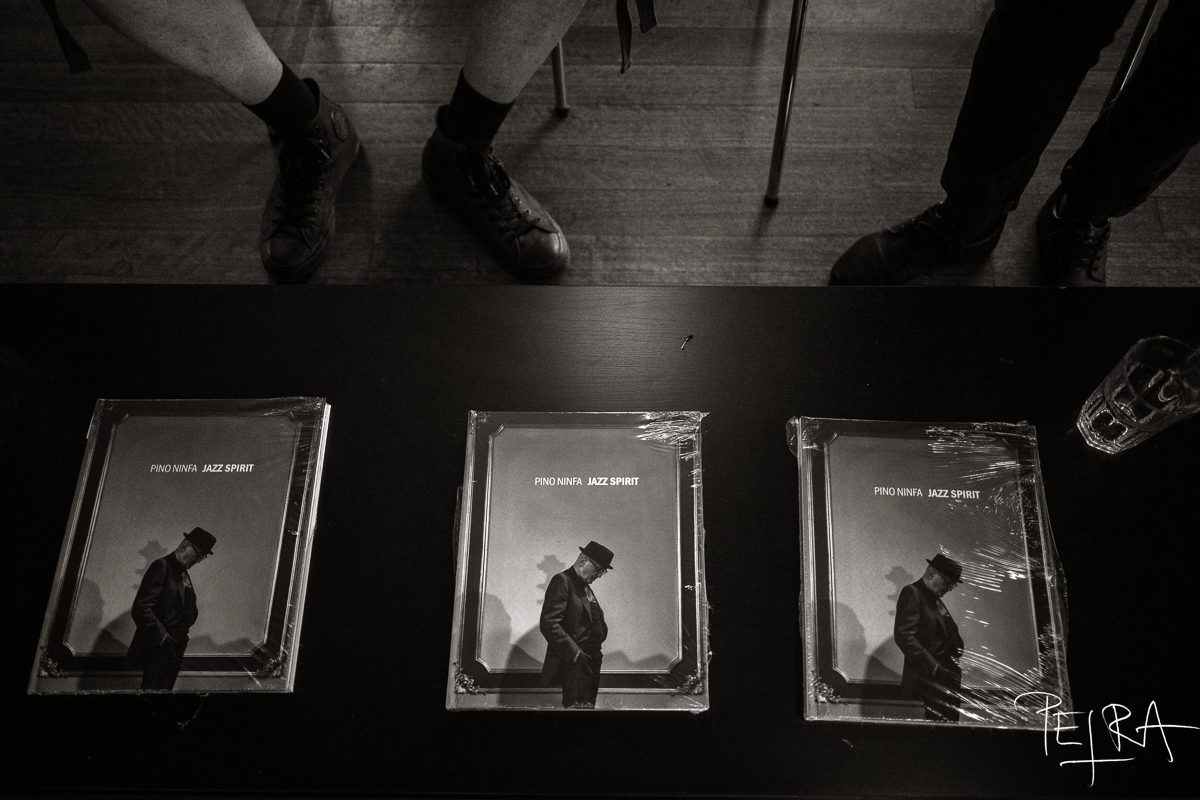
Od leta 1998 imam privilegij in prijetno delo kurirati razstave jazzovske fotografije na Jazz festivalu Ljubljana (in še kje). Letošnji fotograf, katerega smo povabili je italijan Pino Ninfa.
Since 1998 I have had the privilege and pleasure of curating exhibitions of jazz photography at the Ljubljana Jazz Festival (and elsewhere). This year the photographer we have invited is the Italian Pino Ninfa.
Tekst za zloženko razstave
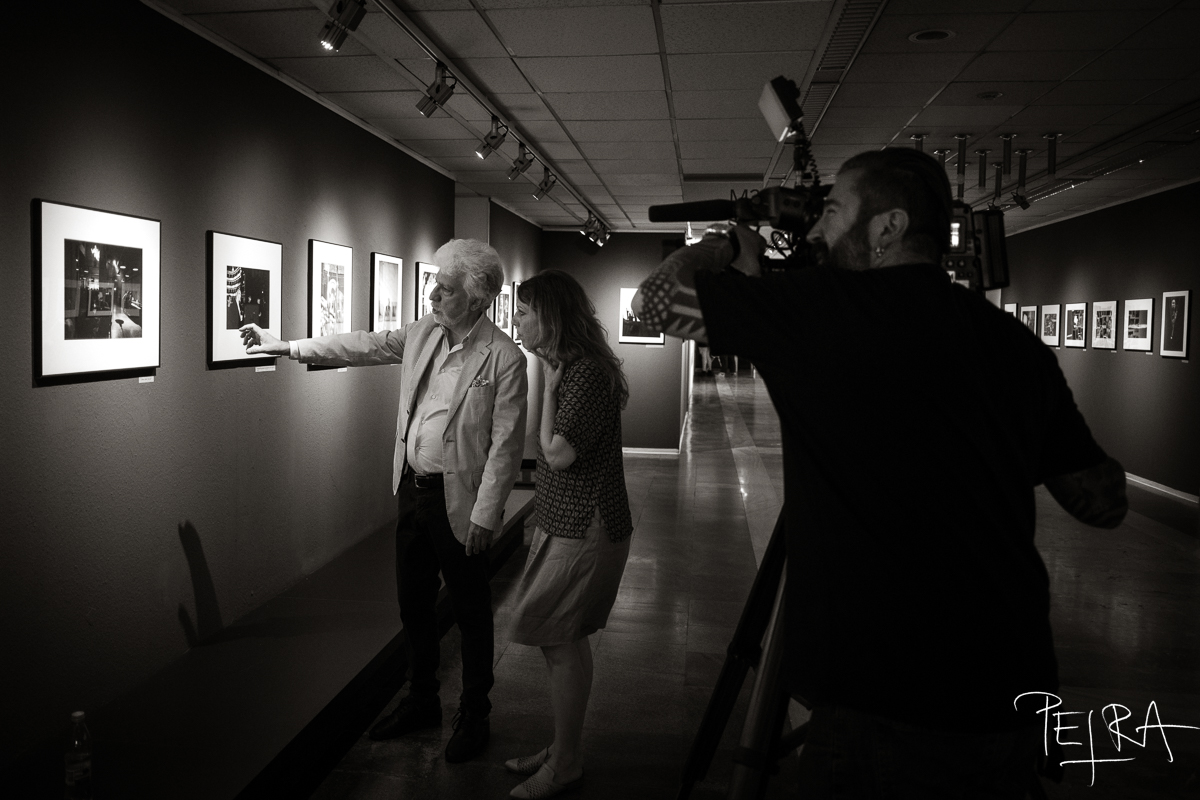
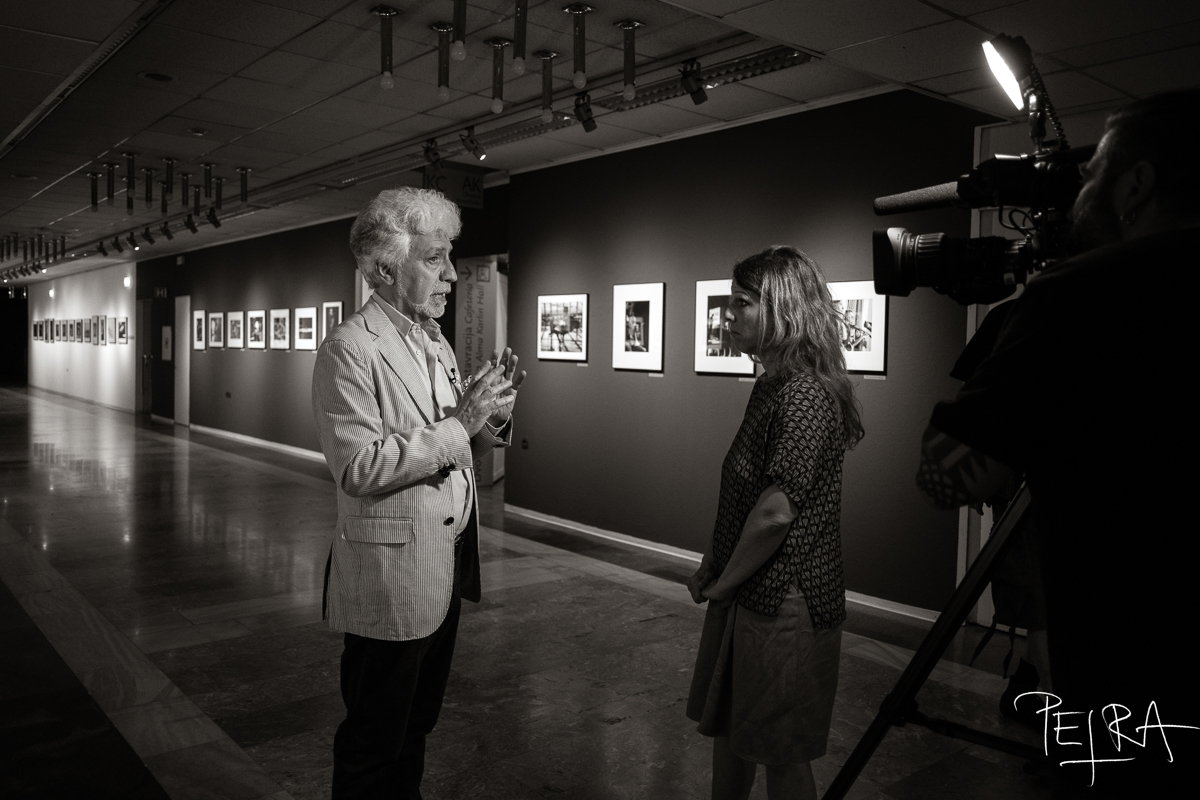
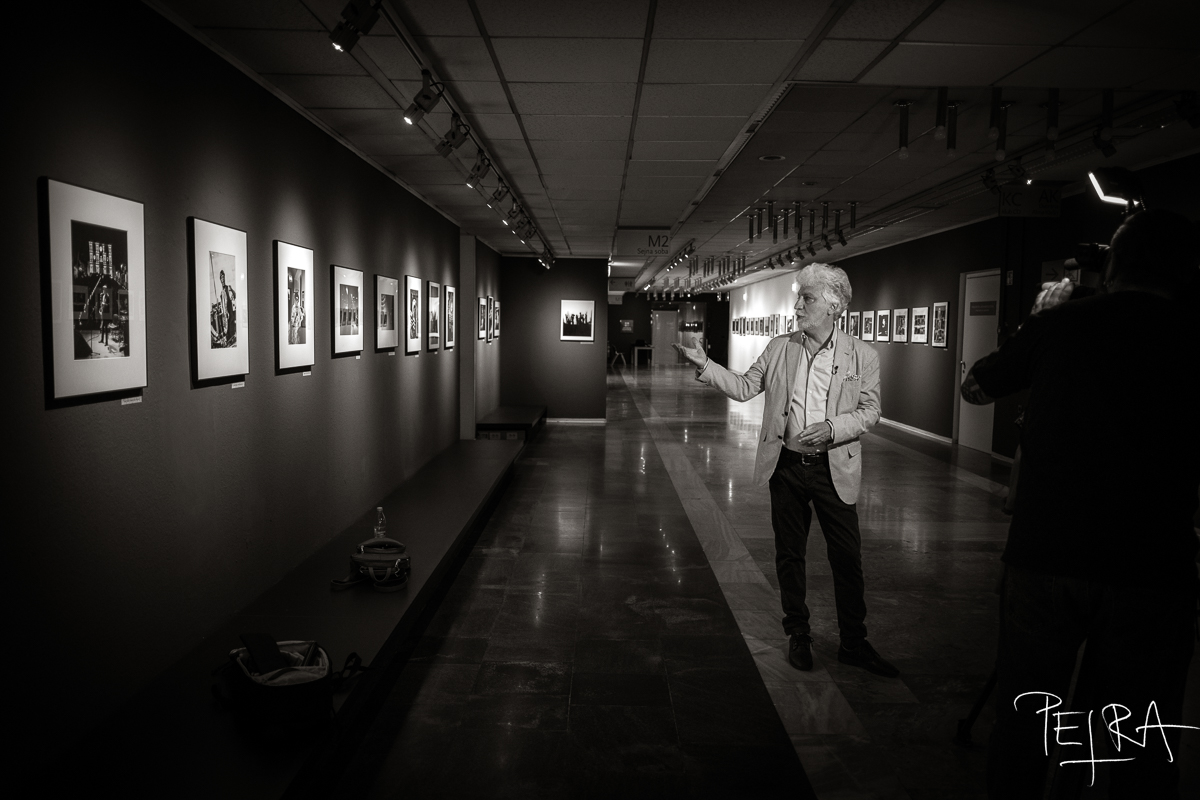
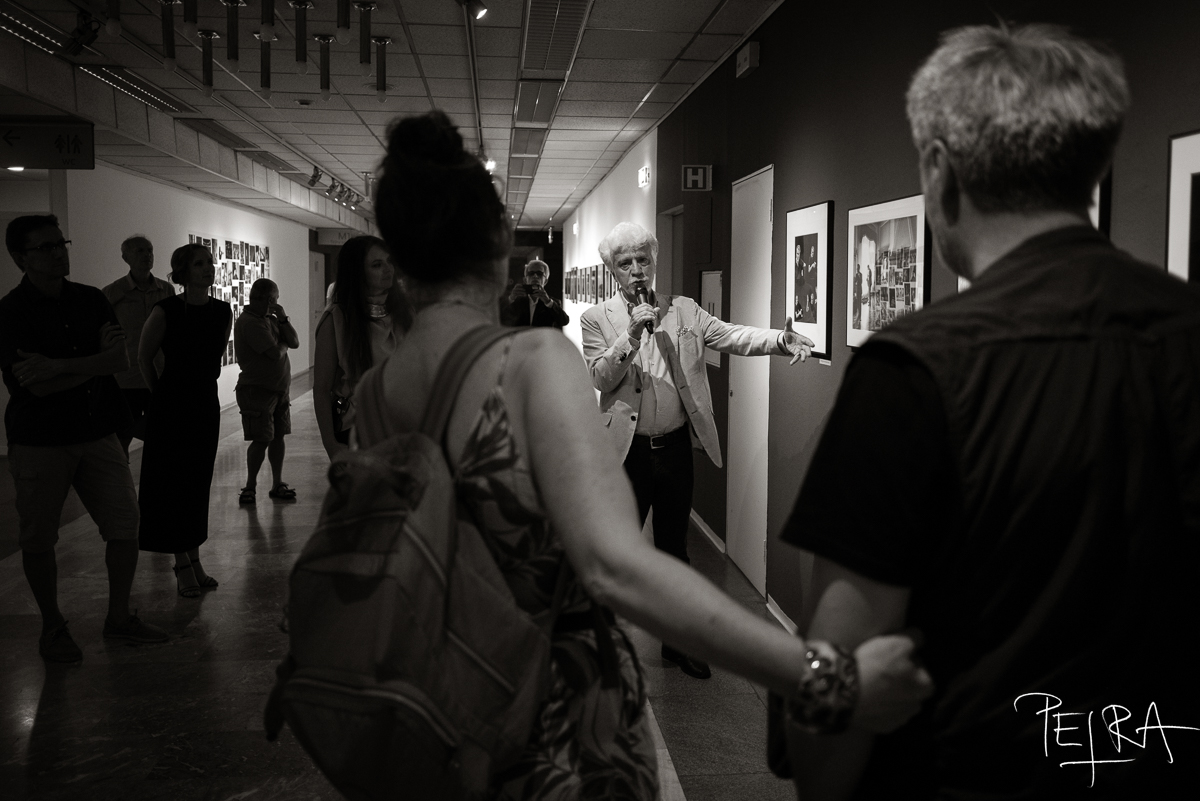
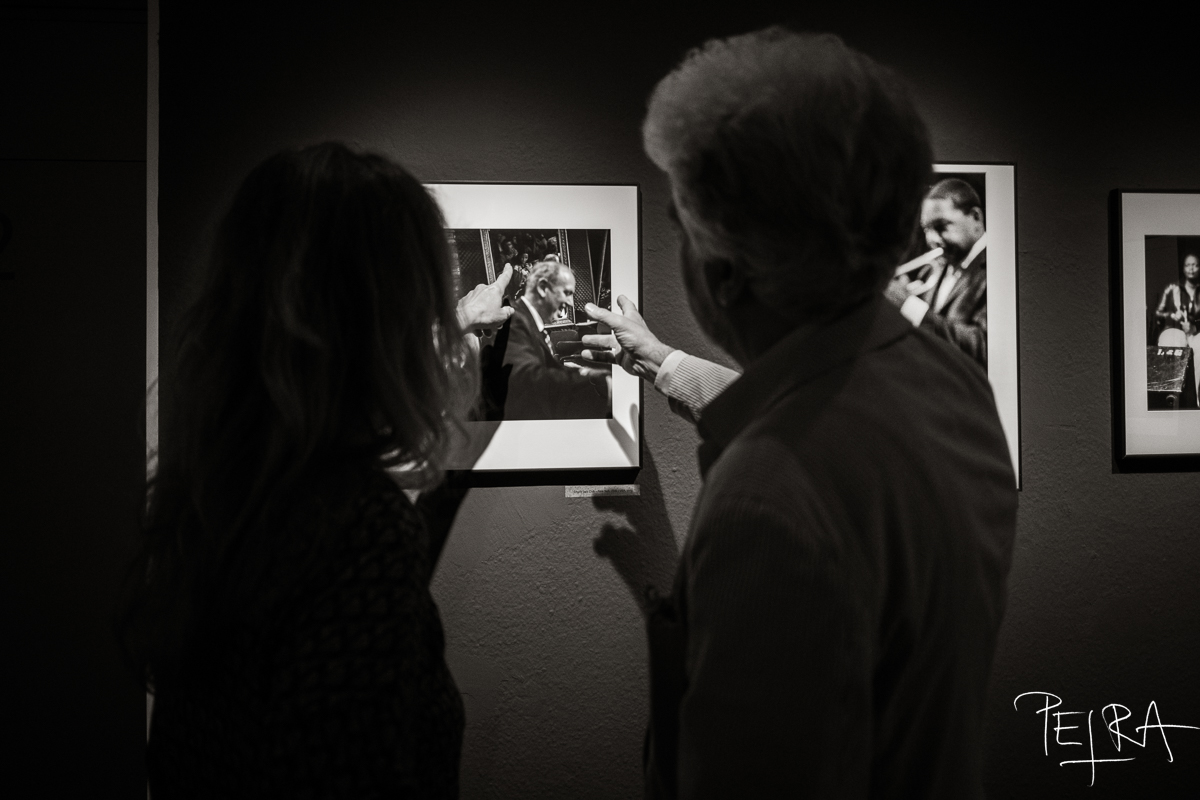
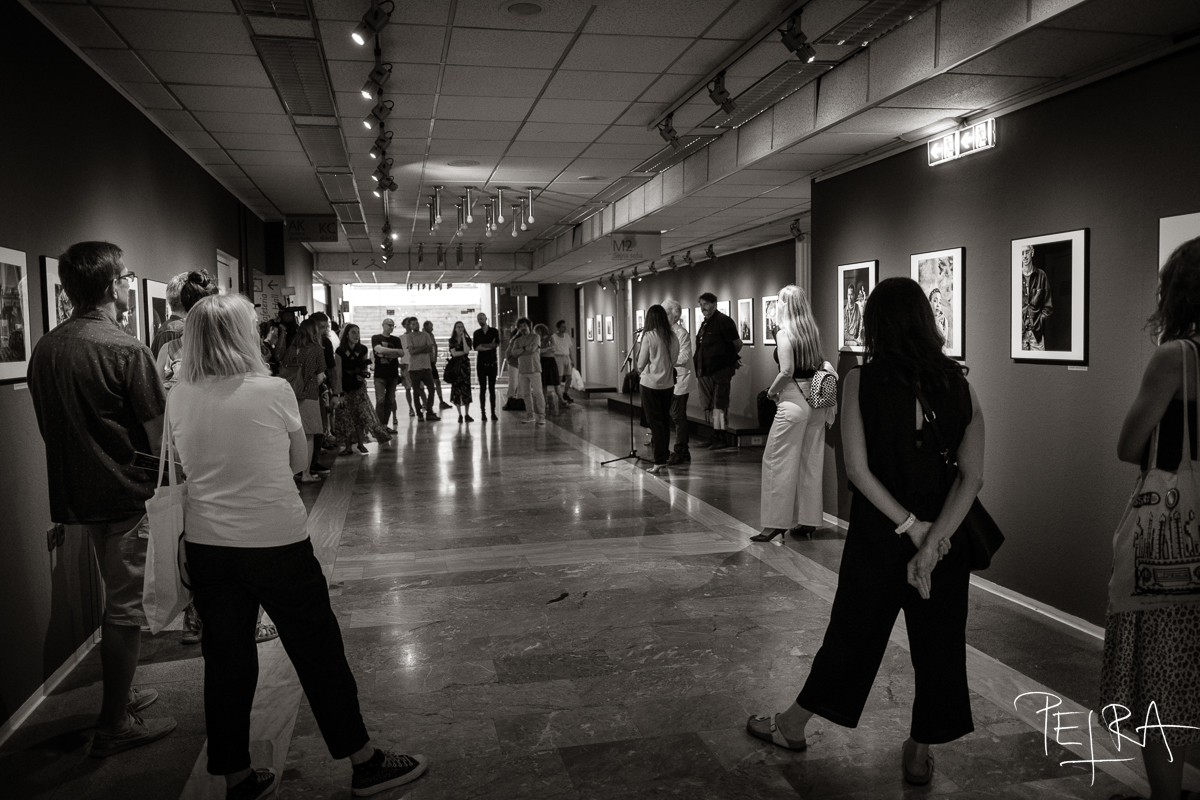
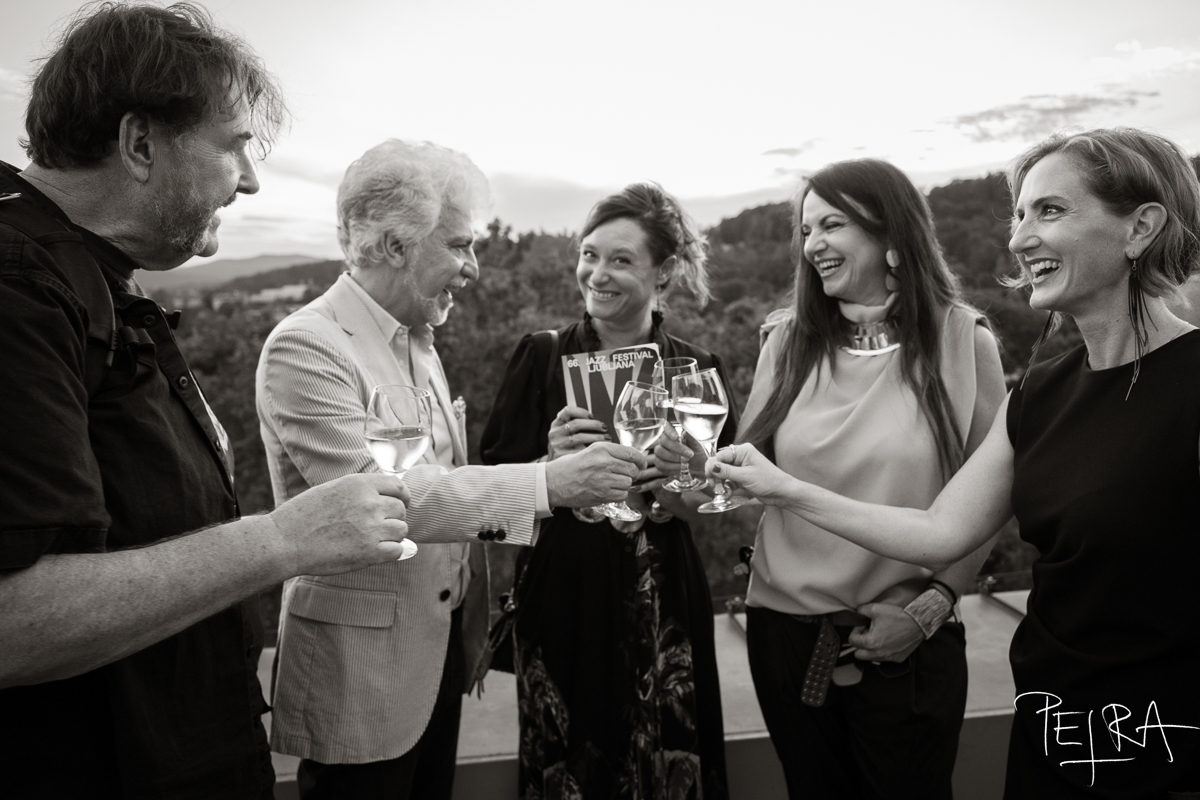
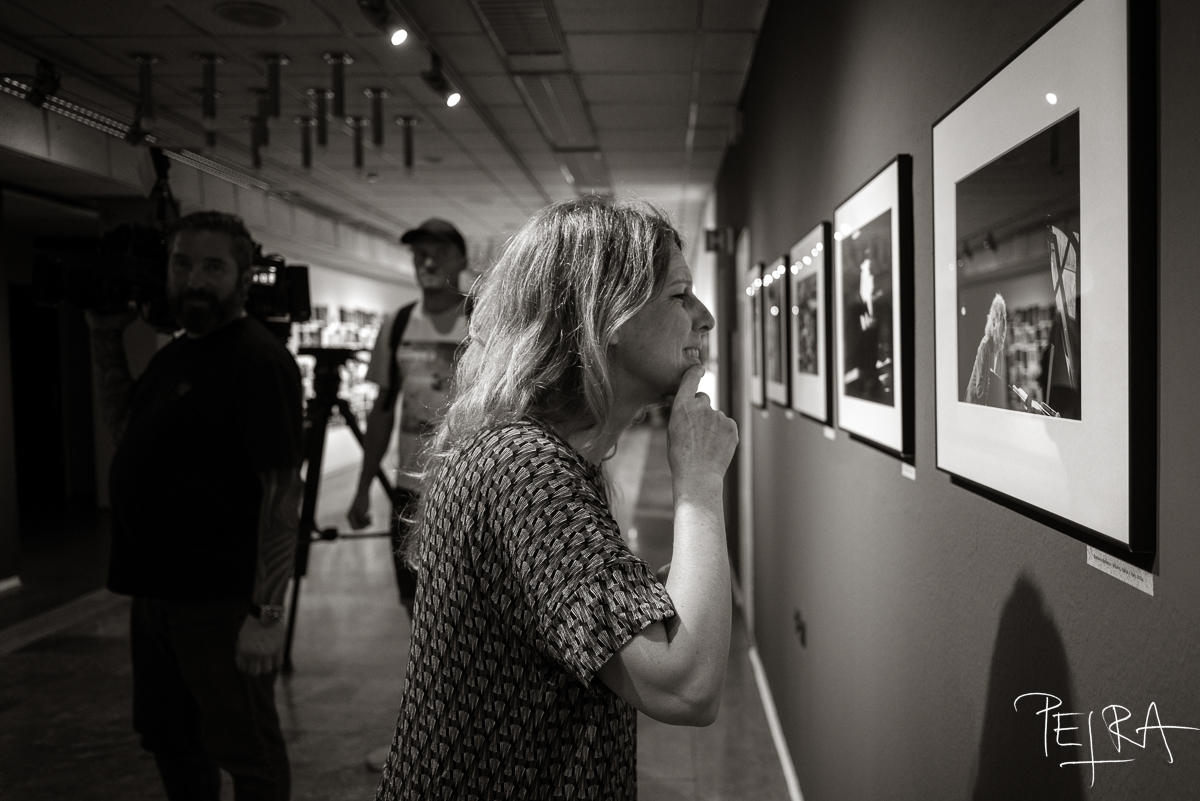
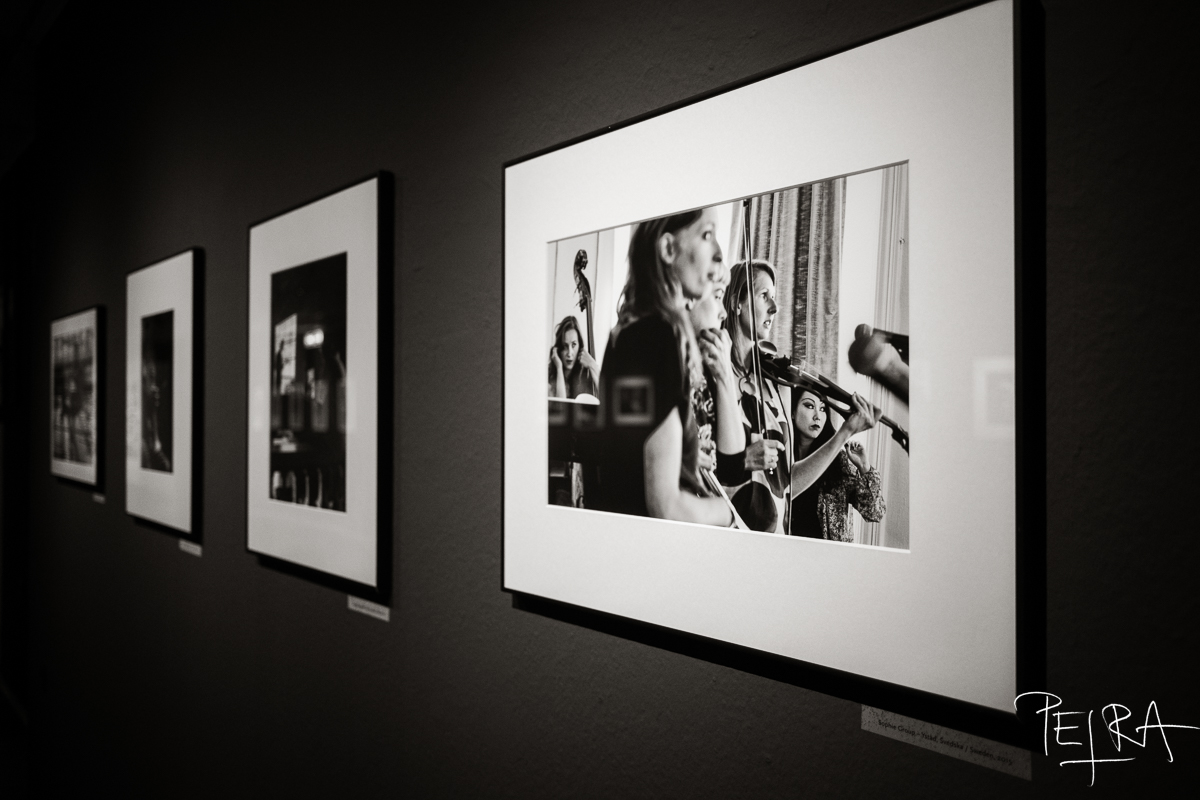
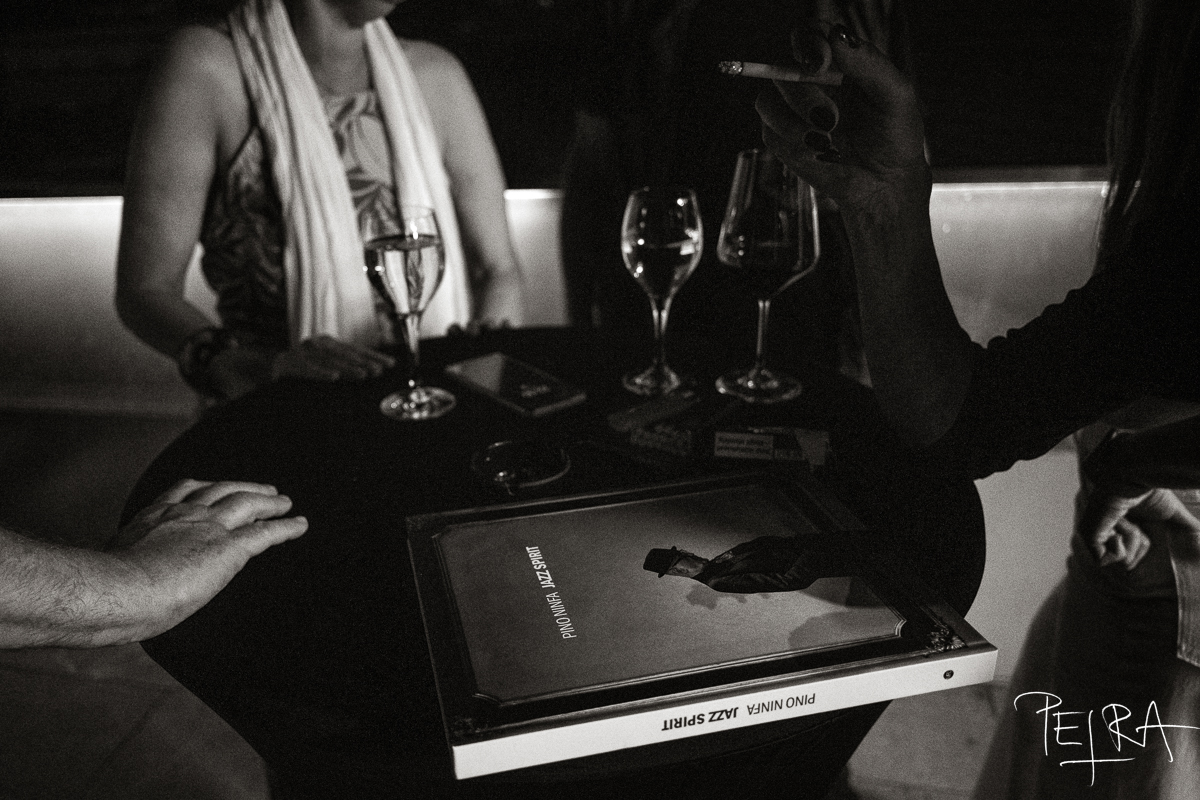
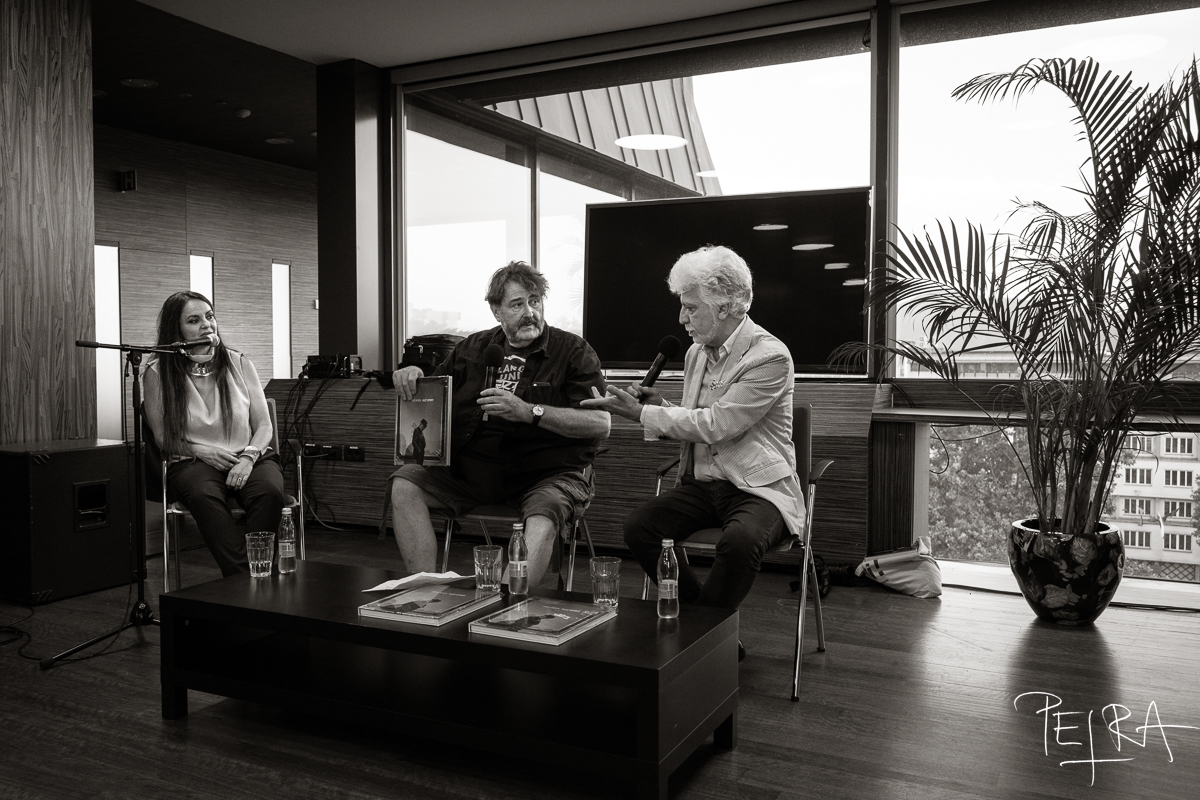
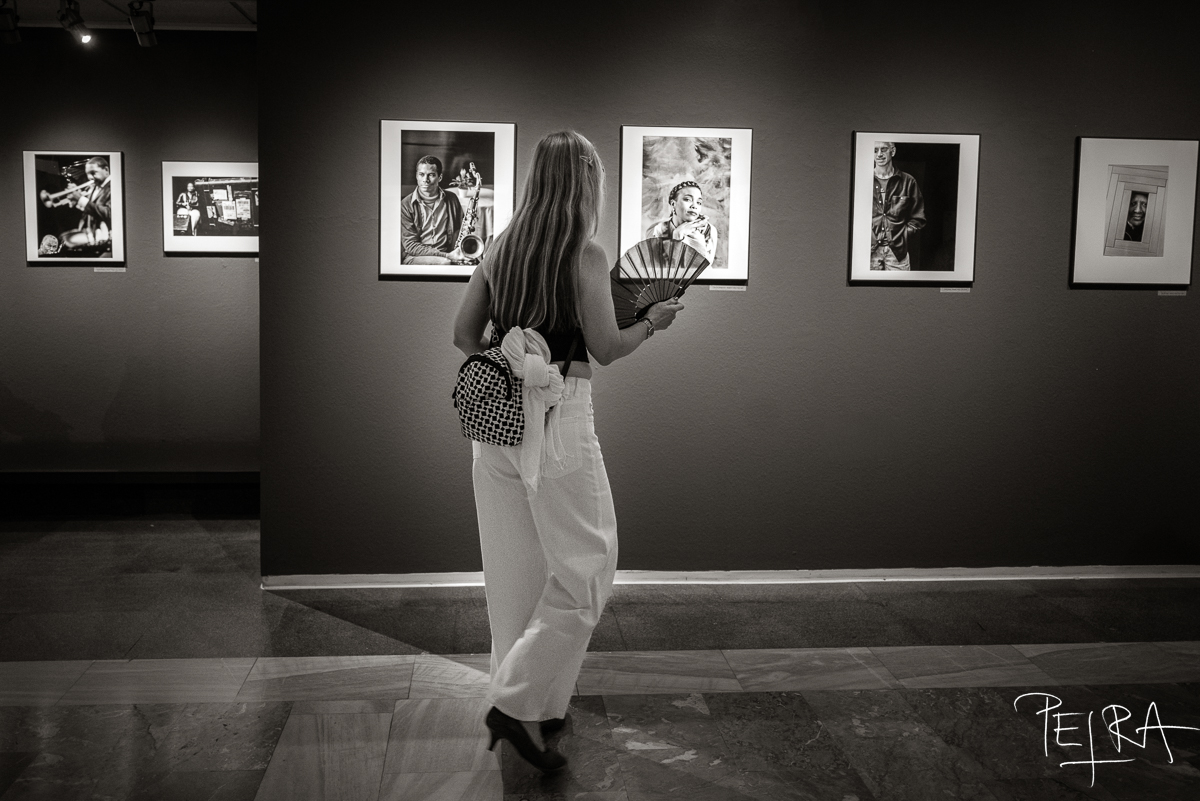
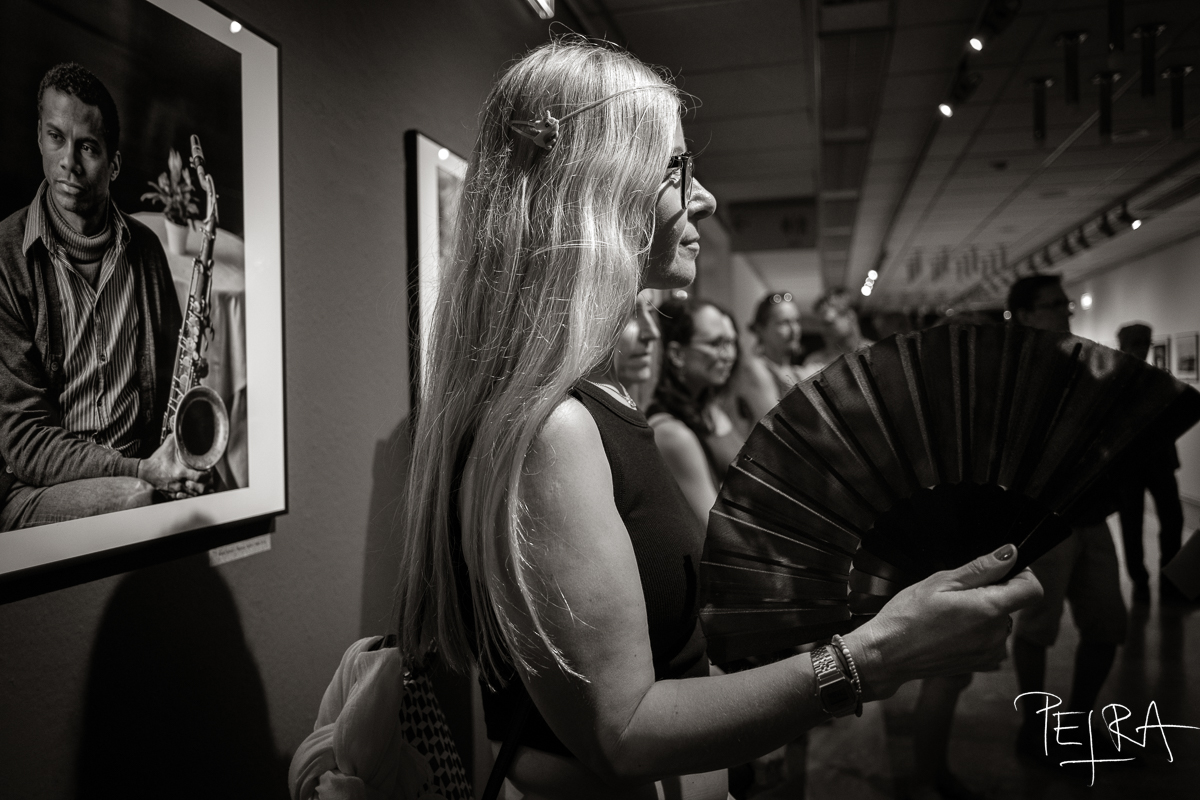
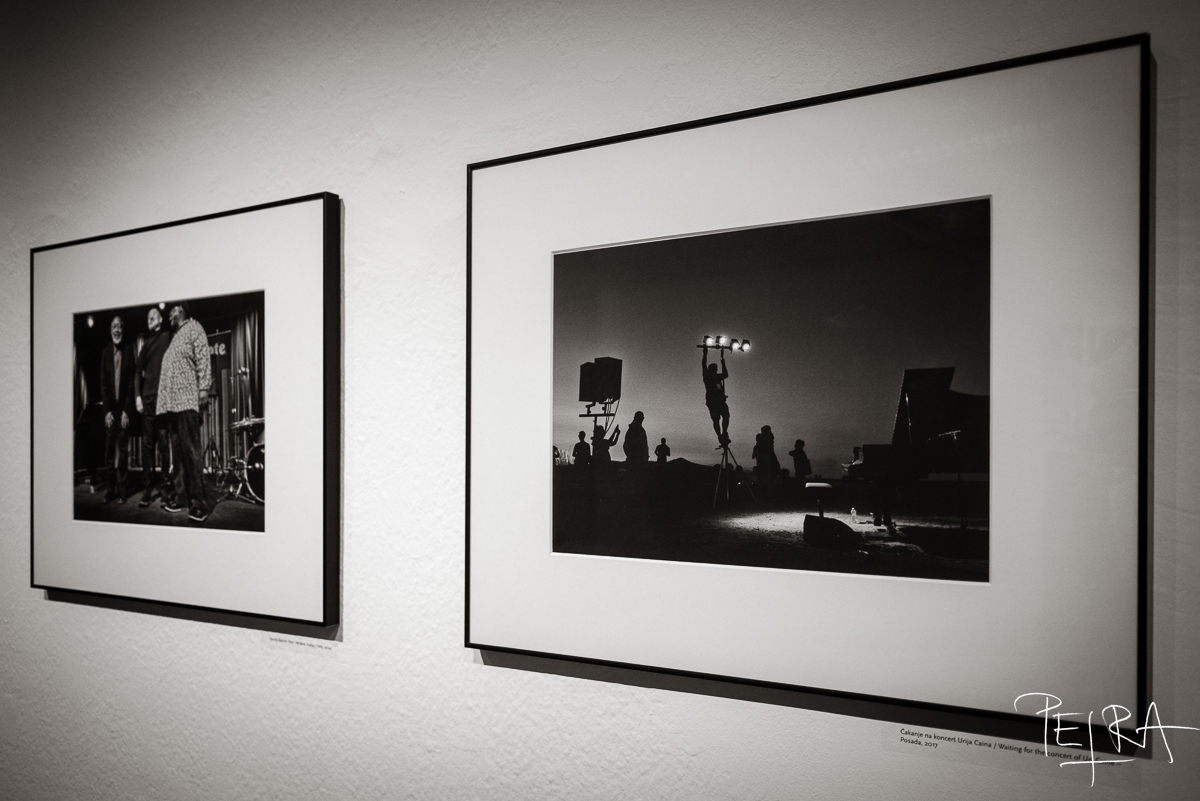
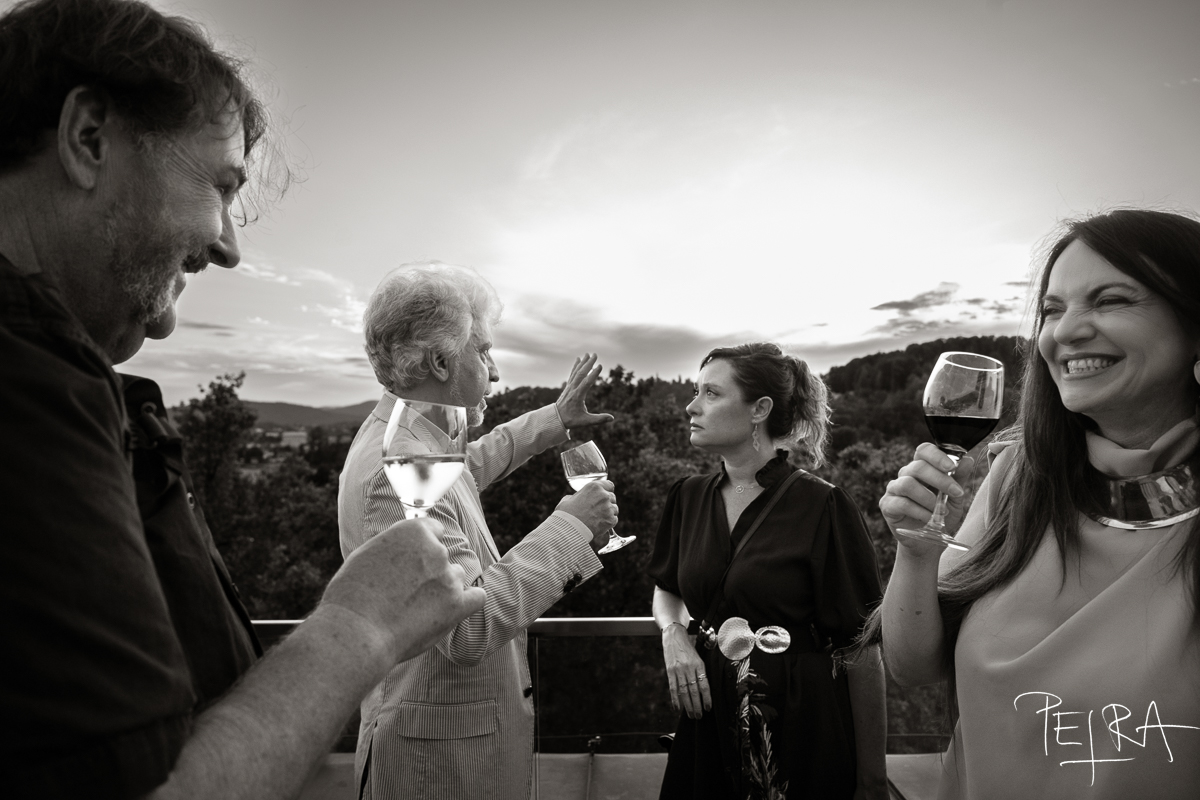
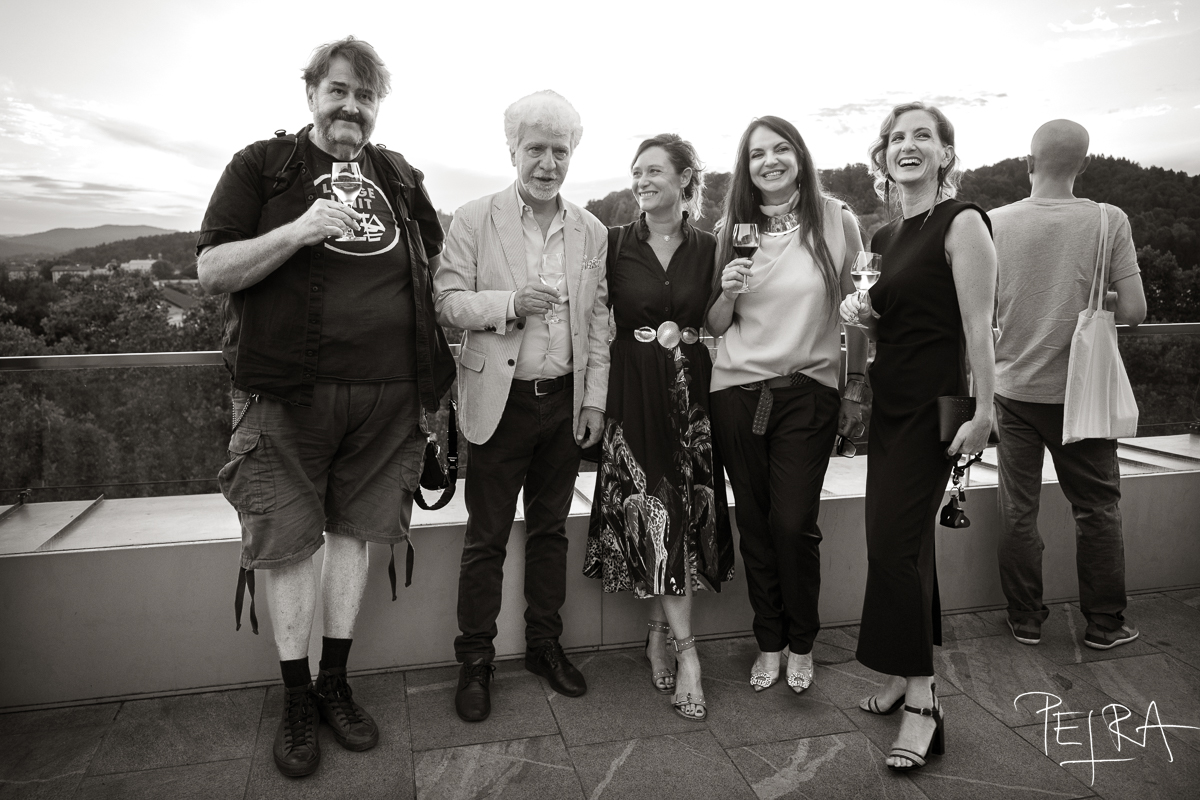
(below you find english version of it and few pictures from the opening):
Pino Ninfa: Duh jazza
»Za dobro fotografijo ne potrebuješ veliko: potrebuješ sposobnost poslušanja.«
– Pino Ninfa
»Dobra glasbena fotografija ne pokaže, kaj se je zgodilo na odru. Pokaže, kaj se je zgodilo v duši tistega, ki je igral.«
– Pino Ninfa
Ta razstava je povabilo, da skozi fotografijo prisluhnemo tistemu, kar presega besede in zvoke.
Italijanski jazzovski fotografi so v zadnjih letih dobro organizirani med seboj. Leta 2019 so ustanovili Združenje italijanskih jazz fotografov (Associazione Fotografi Italiani di Jazz), katerega ustanovni član in predsednik je bil v letih od 2019 do 2022 naš gost Pino Ninfa (med ustanovitelji združenja je tudi Luciano Rossetti – njegove fotografije smo imeli pri nas priložnost videti na Jazz festivalu leta 2022). Pino Ninfa je fotograf, rojen v Catanii na Siciliji, ki se je v mladosti preselil v Milano. Uveljavil se je kot eden najobčutljivejših fotografov na italijanskem fotografskem prizorišču. V jazzovskih krogih, kulturnih ustanovah in umetniški sceni imajo jazz fotografi v Italiji precej spoštovanja in prostora. Združenje spodbuja kakovostno dokumentiranje jazzovske scene in vključevanje mladih fotografov, povezuje jazz fotografe po vsej Italiji, ustvarja skupnost za izmenjavo izkušenj, promovira jazz fotografijo kot umetniško in dokumentaristično zvrst, ščiti avtorske pravice fotografov, organizira razstave, delavnice, publikacije in spodbuja spletno prisotnost. Glasbeni fotografi živijo v simbiozi z jazzovskim svetom izraziteje kot fotografi v drugih žanrih. Jazz temelji na improvizaciji, spontanosti, trenutku. Zelo podobno mora fotograf znati ujeti trenutek občutek, svetlobo in čustvo, ki traja le delček sekunde – tako kot so to lahko »eksplozije« kreativnosti na odru. Zato je dober jazz fotograf na koncertu skoraj »soigralec« – vizualno interpretira zvočno dogajanje ter je intimno in tesno povezan z glasbeniki. Glasbeni fotografi tako sooblikujemo kulturo jazza. Pino to dela že več desetletij. Svoje delo gradi na prepoznavnem, zanj značilnem dokumentarnem pristopu. Na fotografijah lahko čutimo globoko spoštovanje do človeka in njegovega okolja, do vsebine, ki se je loteva. Njegova ljubezen do glasbe, zlasti do jazza, močno zaznamuje njegov fotografski izraz: improvizacija, občutek za ritem in globoka čustvena resonanca se prepletajo v podobah, ki gledalca nagovarjajo s tiho in močno prisotnostjo. Pino Ninfa verjame, da fotografija lahko spreminja zavest z rahločutnim prikazom tistega, kar nas združuje kot ljudi.
Ta razstava predstavlja izbor njegovih del, ki so nastajala v različnih obdobjih. Velika večina razstavljenih fotografij je bila posneta na jazz festivalih in prizoriščih v Italiji, nekaj pa na Švedskem, v ZDA, DR Kongo, Južni Afriki. Pino pa vedno ostaja zvest svojemu temeljnemu prepričanju, da je fotografija orodje za grajenje empatije in razumevanje sveta. Posebno mesto v njegovem bogatem opusu predstavlja pričujoča razstava Duh jazza / Jazz Spirit, ki jo že dalj časa uspešno predstavlja po svetu. Razstavo, ki jo imamo priložnost videti v Ljubljani, smo v Cankarjevem domu nadgradili z velikim kolažem, v katerem je veliko fotografij, ki jih avtor prvič predstavlja javnosti. Ninfa na fotografijah ne prikazuje le trenutkov na odru, temveč tudi vzdušje zaodrja, priprave, napetosti pred nastopom in sproščena srečanja po koncertih. Njegove glasbene slike niso le vizualni spomin na nastope, temveč čutna pripoved, v kateri svetloba, gib in tišina ustvarjajo lasten ritem – tihi odmev notranjih svetov glasbenikov. Zgodbe o jazzu rad pripoveduje tudi skozi detajle. Kot je to npr. nežno položena roka na klavirskih tipkah, odprta knjiga na mizi, ki čaka, da jo kdo spet vzame v roke, ali pa notni zapisi na stojalu. V kompozicije vklaplja publiko in jo povezuje z glasbeniki. (Fotografija priznanega sardinskega kitarista Paola Angelija, ki ga vidimo skozi »okno« na glavi sklenjene roke poslušalca.) Močna je fotografija rahlo naklonjene glave obiskovalke koncerta, ki skoncentrirano in v globoki ekstazi posluša koncert. Na veliko fotografijah se poigrava z močnimi kontrasti, ki še dodatno poglabljajo občutje, pa naj bodo to zatemnjeni prostori in dvorane, katerih globino in tridimenzionalnost začutimo s pritajenimi izvori svetlobe, ali pa silhuete glasbenikov med igranjem ali pa samih glasbil, ki čakajo, da jih kdo vzame v roke in začne uporabljati.
S svojo metodo se Ninfa izogiba klišejem koncertne fotografije: ne poudarja množice, ne lovi spektakla. Zanima ga intimnost trenutka, nevidna nit med glasbenikom, inštrumentom in zvokom. V času, ko vizualna kultura pogosto stavi na hitrost, šok in površinske vtise, Ninfa vztraja pri drugačnem pristopu: počasnem, občutljivem in etičnem. Njegova dela nas vabijo in ustavijo. Porajati se nam začnejo vprašanja, na katera si vedno znova poskušamo odgovoriti. Zlahka začutimo čarobnost ozračja, ki nam ga ponuja bližina glasbe.
Med glasbeniki, ki jih je portretiral in jih lahko vidimo na razstavi, so največja imena iz sveta jazza: Sonny Rollins, Pat Metheny, Herbie Hancock, Dee Dee Bridgewater, Keith Jarrett, Ornette Coleman, Wynton Marsalis, Charles Lloyd, Kenny Baron, Michel Petrucciani in številni drugi. Prikazani so v različnih formatih (50 x 60 cm in 70 x 100 cm). Vse fotografije so bile posnete v črno-beli tehniki, ki je po mnenju večine najboljša tehnika za prenašanje občutij na fotografijo. Fotografije delujejo bolj poetično, brezčasno in kompozicije postanejo izrazitejše. Glasbo, ki je na fotografiji ne moremo slišati, tako toliko bolj čutimo in veliko lažje ujamemo Duh jazza / Spirit of Jazz.
Žiga Koritnik, 2. junij 2025
//
Text for the booklet of the show:
Pino Ninfa: Jazz Spirit
“You don’t need much to create a good photograph: What you need is the ability to listen.” – Pino Ninfa
“A good music photograph does not show what happened on stage. It shows what happened in the soul of the musician.” – Pino Ninfa
Pino Ninfa’s exhibition is an invitation to listen – through photography – to that which transcends words and sounds.
The professional organisation of Italian jazz photographers has been thriving in recent years. The Association of Italian Jazz Photographers (Associazione Fotografi Italiani di Jazz) was founded in 2019: our featured photographer Pino Ninfa was its founding member and president from 2019 to 2022. (One of the founders of the Association was also Luciano Rossetti – whose photographs were exhibited at the 2022 Jazz Festival Ljubljana). Photographer Pino Ninfa was born in Catania, Sicily, and moved to Milan in his youth. Today, he ranks among some of the most sensitive photographers on the Italian photography scene.
In Italian jazz circles, cultural institutions and the art scene, jazz photographers enjoy considerable respect and a great deal of latitude. The Association promotes quality coverage of the jazz scene and the inclusion of young photographers, connects jazz photographers throughout Italy, creates a community for the exchange of experiences, fosters jazz photography as an artistic and documentary genre, protects photographers’ copyrights, organises exhibitions, workshops, publications and encourages online presence.
Music photographers live in symbiosis with the world of jazz more intensely than photographers in other genres. Jazz is based on improvisation, spontaneity, the present moment. In a similar vein, the photographer has to be able to capture a fleeting feeling, light and emotion that lasts only a split second – just like “explosions” of creativity on stage. This is why in a music concert a good jazz photographer is almost like a “fellow performer” – visually interpreting the sound, intimately and closely connected to the musicians. In this way, music photographers are co-creators of jazz culture. Pino has been actively contributing to it for decades, building his work on a distinctive, one-of-a-kind documentary approach.
His photographs convey a deep sense of respect for the humankind and our environment, and for the subject matter he is addressing. His love of music, especially jazz, strongly informs his photographic idiom: improvisation, a sense of rhythm and deep emotional resonance all blend together to create images that speak to the viewer with a quiet and powerful presence. Pino Ninfa believes that photography can alter people’s consciousness by subtly portraying what unites us as human beings.
This exhibition comprises a selection of Pino’s works from different periods, the vast majority of the photographs on display were taken at jazz festivals and venues in Italy, a few in Sweden, the USA, DR Congo, South Africa. But Pino has remained invariably true to his fundamental belief that photography is a tool for building empathy and understanding the world. The current Jazz Spirit exhibition, which has been touring successfully all over the world for a long period of time, holds a special place in his prolific oeuvre.
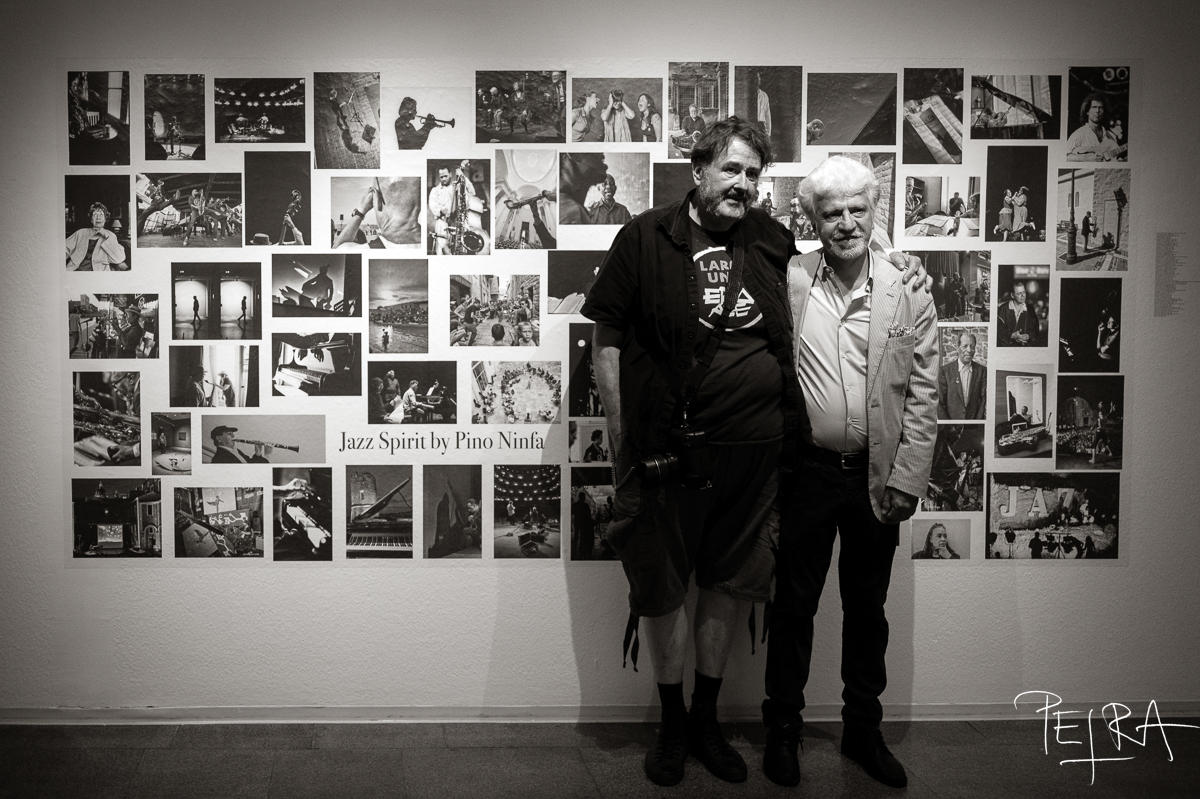
The Ljubljana exhibition has been expanded, in cooperation with Cankarjev dom, with a large photo collage, comprising many photographs that will be on public view for the first time. Ninfa’s photographs show not only live concert moments, but also the atmosphere behind-the-scenes, the preliminaries, the tension before a show and the relaxed post-concert gatherings. His music tableaux are not just visual memories of concerts, but a sensory narrative where light, movement and silence create their own rhythm – a silent echo of the musicians’ inner worlds. He also likes telling stories of jazz through details. For instance, a hand placed gently on the piano keys, an open book on a table waiting to be picked up again, or sheet music on a music stand.
The photographer includes concertgoers in his compositions, establishing connections between the audience and the musicians. (The photo of the renowned Sardinian guitarist Paolo Angeli seen through a “window” created by an audience member’s hands folded on the top of his head.) Powerful is the image showing the slightly inclined head of a concert-goer listening to the music with a look of total concentration and deep ecstasy on her face. In many of his images, the photographer plays with strong contrasts, which further deepens the atmosphere, whether it is the darkened rooms and halls, whose depth and three-dimensionality we feel through dim light sources, or the silhouettes of the musicians performing onstage, or the instruments waiting to be picked up and played.
In using this method, Ninfa avoids the clichés of concert photography: he makes no attempt to emphasise the crowds, or chase spectacle. He is interested in the intimacy of the given moment, the invisible thread between the musicians, their instruments and the sound. At a time when visual culture often relies on speed, shock and superficial impressions, Ninfa insists on a different approach: slow, sensitive and ethical. His works invite us in and stop us in our tracks. Questions begin to arise to which we repeatedly seek to find answers. We can easily feel the magic of the atmospheres created by the all-enveloping music.
Ninfa’s portraits of artists featured in the exhibition include some of the biggest names in jazz: Sonny Rollins, Pat Metheny, Herbie Hancock, Dee Dee Bridgewater, Keith Jarrett, Ornette Coleman Wynton Marsalis, Charles Lloyd, Kenny Baron, Michel Petrucciani and many others. They are shown in different formats (50x60cm and 70x100cm). His photography is black and white, which by many is believed to be the most effective technique for conveying emotions in photography. The images seem more poetic, timeless, and the compositions gain in expressivity. While not heard in photography, the music is all the more felt, and the “Spirit of Jazz” captured much more vividly.
Žiga Koritnik, 2 June 2025
Photos from the opening made by Petra Cvelbar. Thank you!